The Money Monk will be migrating to a new website:
http://www.SecretOfTheInternet.com
I'll be covering much of the same stuff, with an emphasis on creating diverse sources of income with the internet to escape the job paradigm and create a lifestyle of freedom!
I'll also be creating a podcast that profiles online businesses and entrepreneurs to outline all the various ways you can create income and freedom with the internet.
And as always, I will continue to make videos at http://www.youtube.com/c/secretoftheinternet
So head over and check it out!
http://www.SecretOfTheInternet.com
Host Gator

Tuesday, March 31, 2015

Wednesday, August 13, 2014
When should you do it yourself instead of hiring a professional?
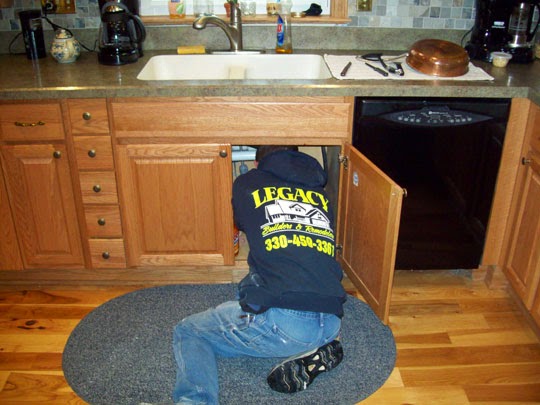
Over at the MMM forums, and among most demographics dedicated to frugality, the idea that you should be doing most if not all things yourself is almost a sacred cow of sorts.
While the fundamental idea that you shouldn't be paying for things is sound, I think it does a disservice to people to imply that everybody can do almost everything themselves, and if you pay for professional work you are just being a lazy "complainy pants".
It is true that people can do many more things themselves than they initially think, and thus save incredible amounts of money in the process. But you have to be honest with yourself on BOTH ends of the spectrum, and take certain factors into consideration, namely:
-Nature of the work
-Likelihood of future DIY jobs in the same arena
-Marginal Savings
-Cost of possible errors
-Fixed costs of DIY
-Marginal Time difference
Nature of the Work:
There are two different things you are paying for when you hire somebody; their time, and their expertise. Most jobs require a combination of the two, but others are heavily weighted in either direction. If you are predominantly paying for somebody's time to do work that doesn't require much expertise, then you should consider doing the work your self. Other jobs require a level of mastery of a subject that would take you a long time to attain to get equal results. In those situations you should move forward with figuring out if hiring a specialist is cost effective.
Likelihood of future DIY jobs in the same arena
Even though an impending DIY job may require a fair amount of expertise, it can be worth it to learn if it is something that you may have to do more than once. If you own your own home learning to put on a new roof may not be worth it, as it will only come up every few decades. However if you own 12 rental properties you might be able to save a nice amount of money by doing such jobs for yourself over a 30 year period.
Marginal Savings
Obviously one important aspect to consider is how much you would save by doing it yourself. remember to include your time as a cost as well. Professionals and businesses often deal with economies of scale and other issues that make it cheaper for them to do the same job. So you will actually be paying MORE for parts, tools, rentals, etc. So they only thing you are really saving is a portion of the profit margin they add on top of their costs. Pull out your calculator and find out exactly how much you would really be saving. Sometimes it's not as much as you think. Other times you could save a shocking amount.
Cost of possible errors
It is a bad idea to go approach a job with the attitude that you can't do it and are going to mess the whole thing up. It is also a bad idea to assume it will go perfectly and there is no chance that you could make a mistake.
Make an honest assessment of the risks of doing a particular job, and what the costs could be if mistakes are made, or if other issues are uncovered once a job is started. Sure the professionals occasionally make mistakes too, but you don't have to pay for it when they do (as long as the company you hire is insured/bonded).
Fixed Costs of DIY
As I implied above, doing a project yourself may cause you to incur costs that the professionals don't have, or can amortize. Any needed tools and supplies must be purchased. Any specialty tools must be rented or borrowed. Do enough research to find out what you have to have ahead of time and factor it into your discussion.
Marginal Time Difference
Even if a DIY job passes all the other tests, if it is going to much much longer to complete a job then it might not be the best idea. Consider not only actual time spend working, but interruptions as well. It might only take you 6 hours to do a job, but if you only have 1 hour a day to work on this project, then it is going to be problematic. Especially if the job requires any setup, organization, or cleanup, etc. You will have to do all that each day you start working again.
With all that being said, I strongly suggest that everyone stretch the limits of their comfort zone when choosing if you can do something yourself. Be realistic about your abilities, but if the only thing stopping you is laziness or fear of messing up, then you should put some serious consideration into doing it yourself. Go through the points on this list and identify if there are any REAL reasons why you can't or shouldn't do it yourself. Making the right decision will save you money, even when the right decision is paying somebody else to do it for you.
-The Money Monk
Wednesday, August 6, 2014
What did you do today to make more money online?

There are a lot of people out there who are trying to make money online, and a lot more who would like to. But when it comes down to it, what are they really doing to make it happen?
People see successful online money-earners and think that they just got lucky, or know some special secret. Now sure they probably do know a lot of stuff that you or I don't, but not because they were born with that knowledge. They know it because they have been living and breathing their craft for a long time. Learning about that stuff when other people are watching tv or playing Farmville.
There are a lot of different ways to make money online, and many of them can eventually get to a point of maintenance where you can get a decent amount of money without a lot of constant effort - EVENTUALLY. Nothing starts out that way except trust funds.
The money you will be making from your online ventures next month and next year is a result of the work you are doing NOW.
Everybody wants to make easy money from selling ebooks, but nobody wants to sit down and write one.
People may see the fact that I make $1000 or more a month from online ventures, but what they don't see is me getting home from work at 530 and then spending the next 3 or 4 hours listing eBay stuff, filming and editing videos, writing blog posts and website copy, writing an ebook, packing and shipping sold products, researching new ideas, etc.
Many of the things I am working on now I have yet to make any money from, like ebooks. Hopefully when they are finished I will. But that's the way it works. If this blog or one of my others is making $500 or $1000 a month in a few years people will think I have it easy, but they aren't the ones taking their lunch break to write when it only get's them $3.00 a month.
I really am not some paragon of discipline and hard work, as I actually hate working. Which is exactly why I am dedicated, more than ever, to developing alternate sources of income so I don't HAVE to work for somebody else. But I know that it isn't just going to happen for me automatically.
And it's not going to happen for you when you get a better camera or a better computer, it's not going to happen when you figure out some special secret, or buy the right get-rich program, and it's not going to happen when your kids finally leave the house and you have more time.
It is going to happen exactly when it becomes very VERY important to you.
And this is coming from somebody who isn't there yet. I still have to work a normal job. I still have to choose to use my little free time to work on these things instead of doing things I find more enjoyable. But maybe in a couple years you will be looking at my stats with wonderment the same way I look at those of Pat Flynn at http:www.smartpassiveincome.com. But if so, it will be because of what I am doing today.
So again, what did you do TODAY?
-Double E
Monday, July 21, 2014
4 Week no grocery shopping challenge!

I mentioned in my post on my spending for the last month that i had relaxed my food-spending standards quite a bit for that month. I have been doing better this month but the higher spending has bled over a little bit, so I am planning on taking some drastic action!
I am planning on not buying any food until August 20th!
Now this doesn't mean I'm taking a 4-week fast, it just means I will only be eating food that I already have in my house (or anything I get for free) One of my interests is survival/preparedness and self-sufficiency, so I have a decent amount of food stored in my house at any given time. I also have some chickens that provide me with eggs!
This 4-week grocery buying moratorium will accomplish a few things:
It will obviously lower my spending for the next 4 weeks, but it will also allow me to cycle through the food I have stored here. Frozen meats, canned vegetables, rice, etc. I will eat the older stored items and replace them afterwards.
Wish me luck!
-Double E
AKA The Money Monk
Wednesday, July 9, 2014
Spending and savings rate Summary for June 2014
**note to NSA/IRS snoops: This information is estimated and/or hypothetical.
Final official documents submitted (tax related or other) supersede anything
posted here. **
This is my spending breakdown for the month of June. I am planning on posting it here every month, mostly just for personal accountability.
Just a note, I purposefully relaxed my spending quite a bit for this month, especially with food. I finally was done with all payment obligations from my business ventures that didn't work out, and because of that I wanted to relax a little bit and not stress as much about money for a few weeks before redoubling my efforts.
So needless to say, my savings rate was shitty, but hilariously still better than the national average, even with what felt to me like uncontrollable spending. So as I taper back into frugal mode we'll see how well I can do.

Business expenses include some domain renewal, hosting, and po box renewal. This is much
higher than the monthly average as most of these expenses only occur once or twice a year.
Car Insurance: I just recently called an adjusted my insurance and managed to lower it by 10 or 15%
Chickens: Yes I have chickens! I only have to buy feed every couple of months, so there are zero costs for this month. I could technically deduct the value of the eggs I get and make their net cost even lowe, but I haven't been doing that.
Clothing: I started a new job and bought 3 pairs of dress pants on sale at Men's Warehouse.
Entertainment: These were costs related to hosting a 4th of July freedom fest party
Food: This is just groceries and does not include eating out at restaurants. As I said my food spending was very high this month. I do eat pretty strictly paleo though which is more expensive, but I still aim for long term food costs of 250 for groceries AND restaurant spending, if there is any. Obviously I went WAY over that this month.
Gifts: Bought gifts for a friend and my girlfriend for their respective birthdays.
Health Insurance: This is the health insurance I had from being self-employed. As I become an official full time worker at my new job I should be eligible for insurance that will be around half this cost hopefully.
Internet: Normally internet cost is around 62 bucks, which I split with my girlfriend. But this month we needed a new modem AND router, so that drove the cost up.
Loans: This is obviously the most dastardly expense on here. This includes student loans and expenses I racked up from the business. I am aiming to have all business related expenses paid off by the end of the year hopefully, which will only leave the student loans. That will drop this expense to around 180 a month.
Misc Spending: Headphones for use at work, a big batch of vitamins, and a few other small things.
Mongo: This is my big fat-headed dog. His cost was just his food this month.
Other expenses are mostly self-explanatory.
Total spending: $2769.29
Total Income: $3120.82
______________________
Total Savings: $351.53
Savings Rate: 11.26%
So my savings rate was awful, but I expected that this month. It is wild to me that it is still higher than the national average though.
I am going to bring that number WAY up in the future, so stay tuned!
-Double E
This is my spending breakdown for the month of June. I am planning on posting it here every month, mostly just for personal accountability.
Just a note, I purposefully relaxed my spending quite a bit for this month, especially with food. I finally was done with all payment obligations from my business ventures that didn't work out, and because of that I wanted to relax a little bit and not stress as much about money for a few weeks before redoubling my efforts.
So needless to say, my savings rate was shitty, but hilariously still better than the national average, even with what felt to me like uncontrollable spending. So as I taper back into frugal mode we'll see how well I can do.
Business expenses include some domain renewal, hosting, and po box renewal. This is much
higher than the monthly average as most of these expenses only occur once or twice a year.
Car Insurance: I just recently called an adjusted my insurance and managed to lower it by 10 or 15%
Chickens: Yes I have chickens! I only have to buy feed every couple of months, so there are zero costs for this month. I could technically deduct the value of the eggs I get and make their net cost even lowe, but I haven't been doing that.
Clothing: I started a new job and bought 3 pairs of dress pants on sale at Men's Warehouse.
Entertainment: These were costs related to hosting a 4th of July freedom fest party
Food: This is just groceries and does not include eating out at restaurants. As I said my food spending was very high this month. I do eat pretty strictly paleo though which is more expensive, but I still aim for long term food costs of 250 for groceries AND restaurant spending, if there is any. Obviously I went WAY over that this month.
Gifts: Bought gifts for a friend and my girlfriend for their respective birthdays.
Health Insurance: This is the health insurance I had from being self-employed. As I become an official full time worker at my new job I should be eligible for insurance that will be around half this cost hopefully.
Internet: Normally internet cost is around 62 bucks, which I split with my girlfriend. But this month we needed a new modem AND router, so that drove the cost up.
Loans: This is obviously the most dastardly expense on here. This includes student loans and expenses I racked up from the business. I am aiming to have all business related expenses paid off by the end of the year hopefully, which will only leave the student loans. That will drop this expense to around 180 a month.
Misc Spending: Headphones for use at work, a big batch of vitamins, and a few other small things.
Mongo: This is my big fat-headed dog. His cost was just his food this month.
Other expenses are mostly self-explanatory.
Total spending: $2769.29
Total Income: $3120.82
______________________
Total Savings: $351.53
Savings Rate: 11.26%
So my savings rate was awful, but I expected that this month. It is wild to me that it is still higher than the national average though.
I am going to bring that number WAY up in the future, so stay tuned!
-Double E
Wednesday, July 2, 2014
Earnings summary for June 2014
**note to NSA/IRS snoops: This information is estimated and/or hypothetical. Final official documents submitted (tax related or other) supersede anything posted here. **
"If you can make a heap of all your winnings
and risk it all on one turn of pitch and toss,
and lose and start again at your beginnings,
and never breath a word about your loss.."
The past couple years have shown me that I am an expert at accomplishing the first part of that stanza. Never breathing a word about it has proven much more difficult. Especially if you count profanities.
For the past couple years I have been working for myself in a couple of different enterprises. While there is nothing better than not having to work for "The Man", you still have to make money, and sadly my enterprises did not work out and It cost me quite a bit of money. I am super bummed to have lost so much ground in my quest for financial independence, and it's hard not to think about where I would be if I had just kept plugging along on the safe and boring route.
But far better is it to dare mighty things, or so they say. Luckily I have started a new job and I am determined to redouble my efforts to attain financial independence by forty years old. It may not be possible any more, but I am going to do my best to try to make it happen still.
As added motivation and accountability, I am going to start posting my monthly earnings and expenditures here on this blog.
Today will be earnings summary for the past month, and later I will post spending summary.
So here are my earnings for the past month, with notes to follow:
ONLINE EARNINGS: $1,120.71
OTHER EARNINGS: $355.61
EMPLOYMENT EARNINGS: 1644.50
--------------------------------------------
TOTAL: $3,120.82
NOTES:
"If you can make a heap of all your winnings
and risk it all on one turn of pitch and toss,
and lose and start again at your beginnings,
and never breath a word about your loss.."
The past couple years have shown me that I am an expert at accomplishing the first part of that stanza. Never breathing a word about it has proven much more difficult. Especially if you count profanities.
For the past couple years I have been working for myself in a couple of different enterprises. While there is nothing better than not having to work for "The Man", you still have to make money, and sadly my enterprises did not work out and It cost me quite a bit of money. I am super bummed to have lost so much ground in my quest for financial independence, and it's hard not to think about where I would be if I had just kept plugging along on the safe and boring route.
But far better is it to dare mighty things, or so they say. Luckily I have started a new job and I am determined to redouble my efforts to attain financial independence by forty years old. It may not be possible any more, but I am going to do my best to try to make it happen still.
As added motivation and accountability, I am going to start posting my monthly earnings and expenditures here on this blog.
Today will be earnings summary for the past month, and later I will post spending summary.
So here are my earnings for the past month, with notes to follow:
ONLINE EARNINGS: $1,120.71
OTHER EARNINGS: $355.61
EMPLOYMENT EARNINGS: 1644.50
--------------------------------------------
TOTAL: $3,120.82
NOTES:
- Some services such as adsense contain terms that do not allow you to say exactly how much you make, so I have lumped all the sources together. This category includes all my revenue from Adsense and any other online ads, Amazon affiliate sales, Buythermite.com net revenue, and eBay sales net revenue.
This number is very low for me for all those put together. The crappy ironic part about my business ventures not working out is that, to add insult to injury, I was spending more time trying to make it profitable and less time working on my other online ventures which were already profitable. This caused my earnings from them to drop off a lot. I should be making about twice this much from all those sources combined, and I hope to be able to get back to that soon. - Other earnings include CC reward rebates, sale of some items from my business, a health insurance refund, a paid radio survey, and a couple other small things.
- Right now wt my new job I am on a temporary/ provisional basis. Sort of like a probational period. At some point within a few months I should be brought on as an official full-time employee, and my pay should increase slightly at that point. It will still not be very high though. After I pay off expenses incurred from my failed self-employment experiment I will have to look and see how my online ventures are doing at that point and see if it is worth still spending 8 hours a day working for somebody else, or if I can maybe go back to working for myself, only this time with exclusively online ventures.
-The Money Monk
Tuesday, July 1, 2014
Super-Cheap Paleo Meals

I've written before about cheap food options, and if you aren't particularly worried about what you're eating, you can have meals VERY cheap, most times under a dollar. They can even be very healthy by conventional standards.
One issue with that is that to accomplish this level of cheap eating you will end up eating a lot of grains and some processed foods. There are are a lot of us that are attempting to eat a more paleo/primal diet, which is meat-heavy and contains basically no grains or processed food. I'm not going to go into too many specifics of paleo/primal diets, but the benefits are extraordinary, especially for those, like me, who's bodies don't handle grains as well as others.
The problem is eating like this can be a lot mroe expensive, but there are still ways to do it without breaking the bank. You aren't going to be able to find too many meals for less than a dollar, but you can stick with a pretty strict paleo diet for $200 a month, and certainly for $250.
That doesn't seem cheap to a frugal person, but for how clean of a diet I am talking about, it is well worth the extra $50 to $100 a month.
before I get into some specific meals, I have a few tips that help me with keeping my paleo food costs down:
1. buy in bulk when meat is on sale and freeze. This is the biggest money saver for me, as meat is the largest expense in this diet.
2. compromise and eat some canned and frozen vegetables instead of fresh every time
3. continue to use all normal shopping techniques (coupons, price-shopping, etc)
4. eat in-season fruits and vegetables, as they will be cheaper.
5. grow some of your own fruits, veggies, etc (I have some chickens for eggs).
Here are some specific meals I make that won't break the bank:
1. Eggs, bacon, and fruit
Eggs are still less than $2 a dozen most places, so even though I usually eat 3 or more at a time, that only costs 50 cents.
Bacon is more expensive, but I get it when I can get buy-2-get-1-free, which gives me 3 pounds for $13. I buy as much as I can fit in the freezer. I typically eat a quarter of a pack, which costs just over a dollar ($1.08)
Then I add some fruit (banana, fried plantains, berries, oranges, whatever) and you can easily come in under $2. Under $1.50 even much of the time, depending on prices in your area.
This is a great, go-to meal for me.
2. Chicken and vegetables
Another go-to meal for me is chicken and vegetables. Wait until chicken is on sale and then buy a lot of it. Around here the drumsticks and leg quarters can be had for as low as $0.70 a pound when on sale! You may not be able to find prices like that, but a jumbo pack of drumsticks can usually be had for $1.80 a pound or less.
I combine 3 or so drumsticks with a vegetable source - either a can of green beans (60 cents), some frozen broccoli florets (cooked of course, $0.75), half a bag of mixed greens ($1), or maybe an avacado ($1) or some sweet potatos ($0.50).
No matter what combo you choose, you can easily come in under $3 (usually around $2 if you shop well and get good prices) for a super healthy meal with a lot of variations. I eat some version of this meal at least once a day.
So don't think you have to break the bank to stick with a super quality paleo diet. It is slightly more expensive but totally worth it.
- The Money Monk
AKA Double E
Subscribe to:
Posts (Atom)